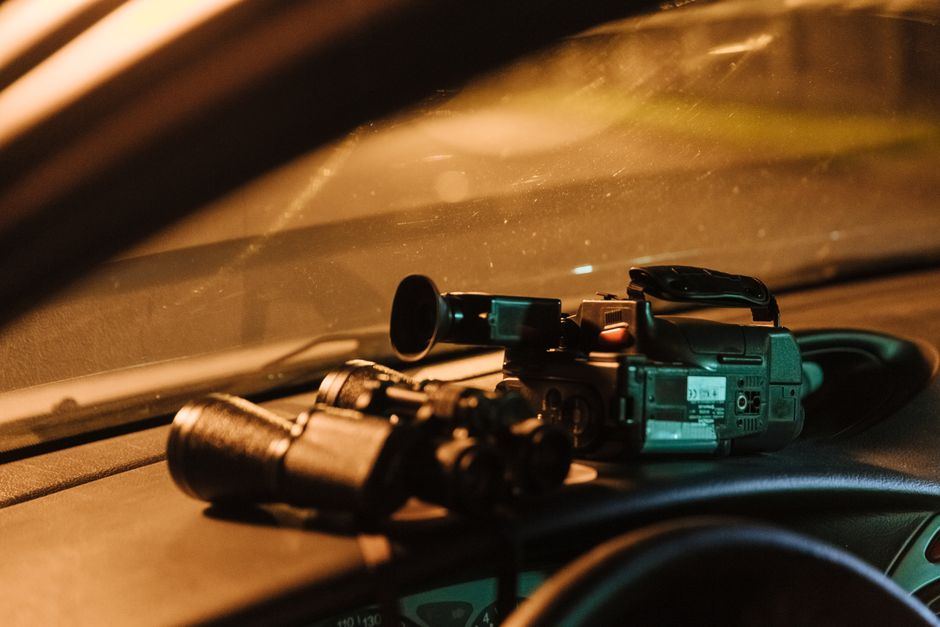
digital night vision vs thermal binoculars buying guide

One shows you a face, the other shows you a heat signature -- and that changes what each is for

Detection and identification are two different jobs

Thermal binoculars find a heat signature in total darkness, fog, or light brush -- digital night vision shows you enough visual detail to identify what you're looking at. Here's how our reviewed picks split across that line.

See which technology fits your use case
⚡ Limited-time perk

Free two-day delivery on your pick

Get your pick delivered fast -- try Amazon Prime free for 30 days.

Sponsored link -- we may earn a fee if you sign up. No extra cost to you.

Quick answer: Our top pick for digital night vision vs thermal binoculars is the ATN BinoX 4T Thermal Binocular (384, 1.25-5x) (Best Thermal for Detection). If you're looking for best digital for identification, the ATN BinoX 4K 4-16x Smart Day/Night Binoculars is a strong alternative.

Two different technologies, two different jobs

Reviewed by the DuskScout team · last updated 2026-08-25

Digital night vision captures a real visual image, either by amplifying available light or using an infrared illuminator, and displays it on a small screen -- the result looks like an actual picture, with enough detail to identify a face, antlers, or markings. Thermal imaging instead reads the heat radiating off a body and renders it as a shape, with no need for any ambient or IR light at all -- it works equally well at midnight or through a thin layer of fog or brush, but the image it produces is a heat outline, not a photograph-like picture.

That difference drives price and use case more than anything else in this lineup. The ATN BinoX 4T thermal unit costs several times more than any of our digital picks, but it detects a target in total darkness or through cover that would hide it from a digital device entirely. The digital options -- ATN BinoX 4K, CREATIVE XP GlassOwl, SOLOMARK NV400-3, and Night Owl Pro Nexgen -- cost a fraction of that and give you enough visual detail to identify what you're looking at, once you already have a rough idea where to look.

Hunters who need to find game first, especially in heavy cover, often lean thermal for detection and pair it with a digital or optical device for identification. For general wildlife watching or casual use where you're not searching blind, a digital pick alone usually covers the job at a much lower price.

Detection range vs. identification detail is the core tradeoff

Thermal binoculars detect a heat signature at significantly longer range than digital night vision can reliably identify detail at -- but thermal's heat-shape image doesn't show the fine visual detail a digital device does once you're within identification range.

Thermal works through conditions that block digital devices

Because thermal doesn't rely on visible or infrared light at all, it can pick out a heat signature through light fog, smoke, or thin brush cover that would leave a digital night vision device with no usable image.

Price gap reflects a real technology difference, not just a brand markup

A thermal core is fundamentally more expensive hardware than a digital sensor or image-intensifier tube, which is why even an entry-level thermal binocular costs several times more than a full-featured digital one.

Product Best For Price Rating
ATN BinoX 4T Thermal Binocular (384, 1.25-5x) Best Thermal for Detection $2,700 - $3,000 4.5/5
ATN BinoX 4K 4-16x Smart Day/Night Binoculars Best Digital for Identification $650 - $750 4.6/5
CREATIVE XP Digital Night Vision Binoculars (GlassOwl) Best Budget Digital $230 - $280 4.3/5
SOLOMARK Night Vision Binocular (NV400-3) Best Entry-Level Digital $150 - $180 4.2/5
Night Owl Pro Nexgen Night Vision Binocular (5X) Best Digital for Close-to-Mid Range $320 - $380 4.4/5
Best Thermal for Detection

ATN BinoX 4T Thermal Binocular (384, 1.25-5x)

4.5

A thermal-imaging binocular that reads heat signatures directly, working equally well in total darkness, light fog, or brush that would hide a target from a digital device -- built for finding something first, not identifying fine detail.

  • Detects heat signatures in total darkness with no ambient or IR light needed
  • Sees through light fog, smoke, and brush that block digital devices
  • Detection range well beyond what digital night vision can match
  • Costs several times more than a comparable digital device
  • Heat-signature image shows a shape, not identifying visual detail
Best Digital for Identification

ATN BinoX 4K 4-16x Smart Day/Night Binoculars

4.6

A digital day/night binocular that captures an actual visual image rather than a heat signature, giving enough detail to identify a face, antlers, or markings once you already know roughly where to look.

  • Real visual image gives usable detail for identification, not just detection
  • Works day and night in one device
  • Costs a fraction of a comparable thermal unit
  • Needs some ambient or IR light to form a usable image in full darkness
  • Shorter reliable detection range than thermal
Best Budget Digital

CREATIVE XP Digital Night Vision Binoculars (GlassOwl)

4.3

An entry-priced digital night vision binocular that relies on built-in IR illumination to form an image in the dark -- a budget way into digital identification-range viewing without thermal's price tag.

  • Lowest-cost path into digital night vision in this lineup
  • Built-in IR illuminator works without external light
  • Good enough detail for casual wildlife watching
  • IR illumination range is shorter than pricier digital or thermal options
  • No heat-signature detection, so it can't spot what's hidden by brush or fog
Best Entry-Level Digital

SOLOMARK Night Vision Binocular (NV400-3)

4.2

A basic digital night vision binocular for occasional use, giving a usable image in low light without the cost of a multispectrum unit or the running cost of a thermal core.

  • Cheapest entry point in this lineup
  • Simple to use for occasional, casual sessions
  • No subscription or specialized maintenance required
  • Shortest effective range in this lineup
  • Image quality falls behind pricier digital and all thermal options
Best Digital for Close-to-Mid Range

Night Owl Pro Nexgen Night Vision Binocular (5X)

4.4

A mid-range digital night vision binocular built around a dedicated image-intensifying optic rather than a budget sensor, aimed at closer to mid-range viewing where optical clarity matters more than long-distance detection.

  • Sharper close-to-mid-range optical clarity than budget digital models
  • Solid step up in image quality without thermal-level pricing
  • Good fit for close-range wildlife watching
  • Still needs some ambient or IR light like any digital device
  • Not built for the long detection ranges thermal offers

Frequently Asked Questions

Can a thermal binocular show me what animal or object I'm looking at, or just that something is there?

Mainly the latter -- thermal renders a heat signature as a shape and brightness pattern, which is enough to tell you something warm-bodied is there and roughly its size and posture, but it doesn't show fine visual detail like antlers, markings, or a face the way a digital device's actual image does. Many hunters use thermal to find a target first, then switch to a digital or optical device to confirm what it is.

Does digital night vision work in complete darkness with no light source at all?

Not well on its own -- digital night vision needs at least some ambient light (moonlight, starlight) or built-in infrared illumination to form a usable image, since it's amplifying or illuminating a real optical scene rather than reading heat like thermal does. In truly total darkness with no IR illuminator active, a digital device's image quality drops sharply, where thermal is unaffected.

Is it worth buying both a thermal and a digital night vision device instead of just one?

For serious or frequent use, many experienced users do carry both -- thermal for initial detection at range or through cover, and a digital device for closer identification once thermal has located something. For casual or occasional use, picking one based on whether your priority is long-range detection (thermal) or visual identification detail (digital) is usually enough.